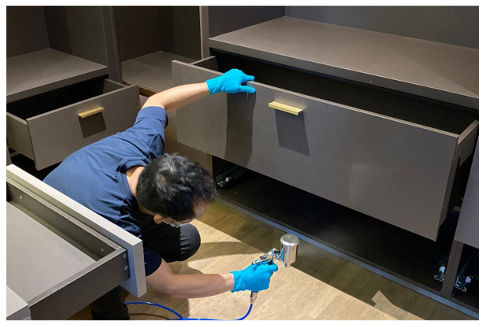
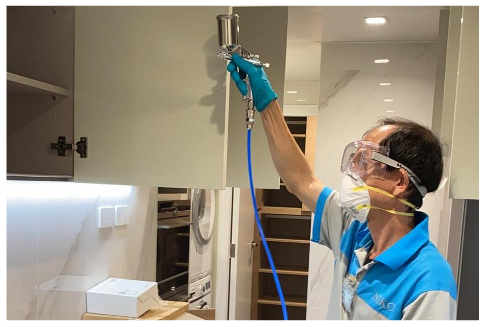
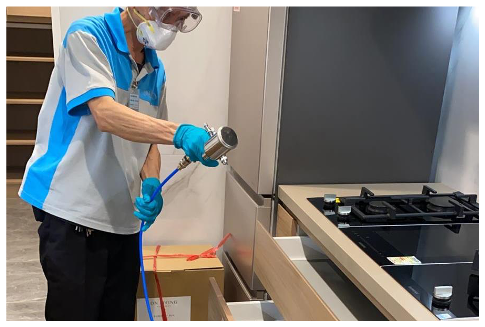
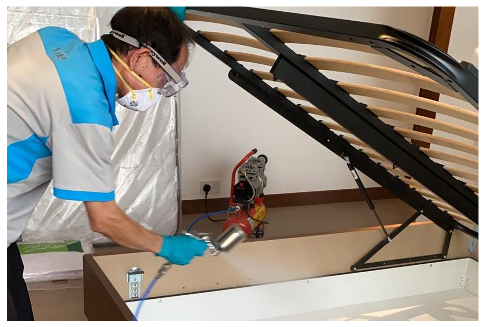
About Formaldehyde | Sources of Formaldehyde | Hazards of Formaldehyde | Method Statement |
|---|---|---|---|
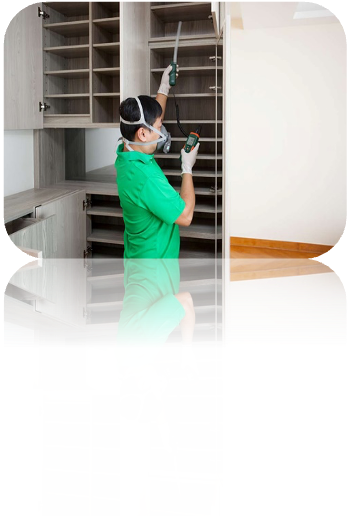
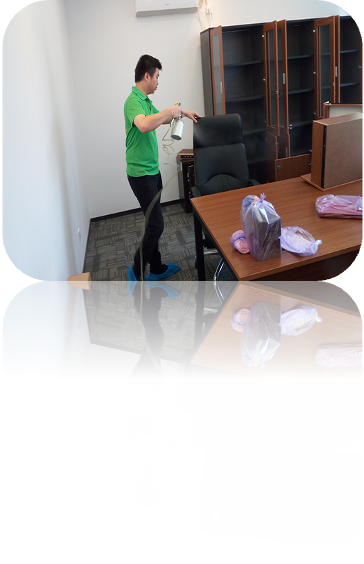
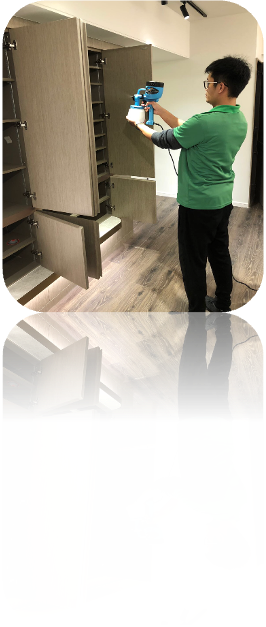
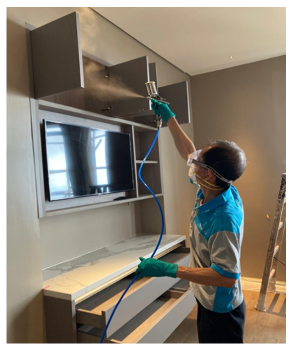
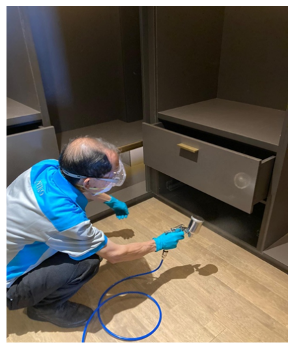
Common toxic chemicals volatile time is as long as 3-15 years colorless, with a strong smell of irritating gas one of the World Health Organization recognized carcinogens | •Paint •Fiberboard •Plywood •Wooden Products •Insulation Materials •Renovation and Decoration Material | •Leukemia •Carcinogens •Cardiovascular Disease •Chronic Respiratory Diseases •Fetal Malformation and Abortion | •Initial Inspection •High Pressure Spray •Purification •Final Inspection |

Formaldehyde is the most common indoor air pollution toxicant, a colorless but extremely irritating chemical gas with a volatile period of up to 3 to 15 years. High concentrations of formaldehyde can cause irritation to the eyes, nose, and skin, making people uncomfortable. Long-term exposure to formaldehyde can lead to chronic respiratory diseases, nasopharyngeal cancer, colon cancer, brain tumors, and mutation of cell nuclei.
Formaldehyde is even more harmful to pregnant women, infants and toddlers, and can cause the fetus to stop growing and developing during pregnancy, and the heart and brain to develop incompletely. It can even lead to serious consequences such as fetal malformation and miscarriage.
According to statistics, there are about three thousand different building materials that contain formaldehyde, mainly fiberboard, plywood, acoustic panels, polyurethane and other decorative materials. Formaldehyde has been identified by the World Health Organization as a carcinogenic and teratogenic substance.
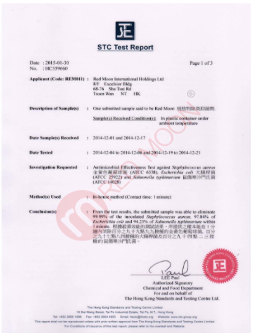
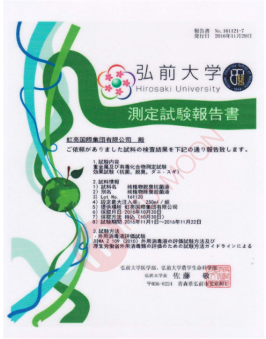
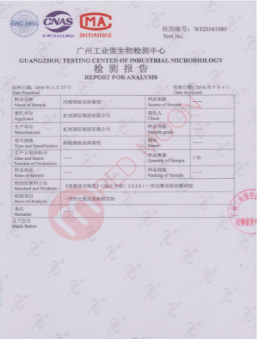
We recommend “Red Moon Pure Plant Deodorant & Antibacterial”. The product is made according to traditional Chinese medicine formula from plant extracts through advanced technology, without hazardous substances such as pollutants, alcohol, chemicals and essence. The product kills the bacteria and deodorizes and purifies the air with genuine plant extracts
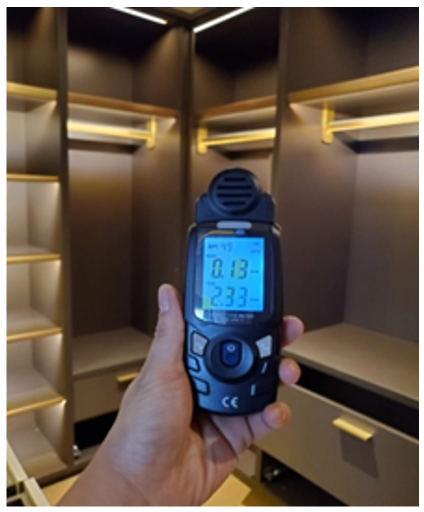
Technicians will measure the formaldehyde concentration again with instruments to ensure that, after two hours, the readings are in line with WHO standards.